Making Waves in Democracy: How Online Voting is Changing the Electoral Landscape
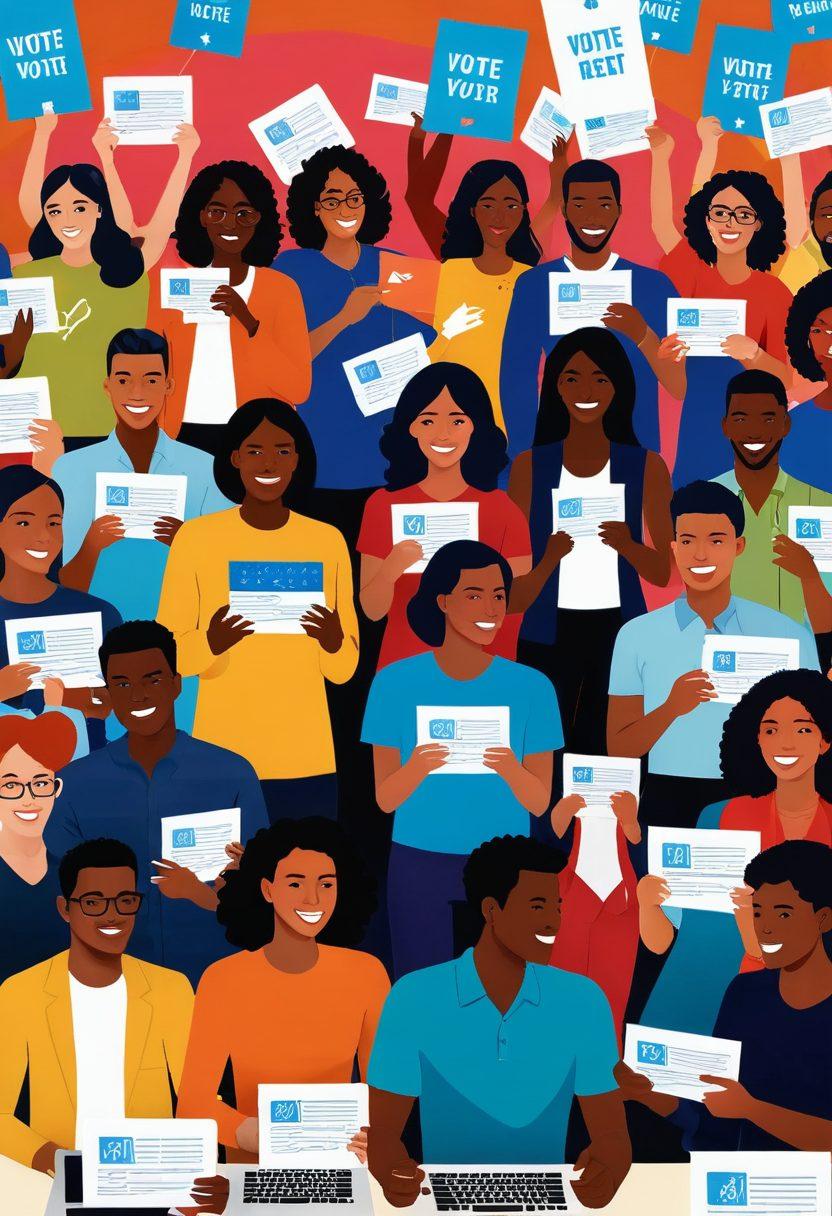
As the sun rises on a new era of democracy, it's time to dive deep into the transformative waters of online voting. Picture this: a world where voting isn't confined to long lines at the polling place but can be as accessible as slipping into your favorite beachwear for a sunny day by the sea. Just like selecting the perfect bathing suit or two-piece swimwear can enhance your confidence at the beach, embracing digital election methods has the power to increase voter participation. As we explore how online voting empowers citizens, we uncover the vibrant ways this new electoral system can reshape our democratic experience.
Imagine a serene beach, the waves gently lapping at your feet as you prepare to cast your vote from the comfort of your patio. Sounds relaxing, doesn’t it? With the rise of internet voting and virtual voting platforms, this scenario is becoming a reality. No longer must voters face the unnecessary stress of crowded polling stations or restrictive hours. Instead, they can engage with e-democracy on their terms, whether they’re at home or on vacation. Why is it important to have such flexibility? Because when citizens can vote at their convenience, voter participation soars. And who doesn't want to feel empowered to make their voice heard with just a few clicks?
But let's take a moment to consider: what happens when more people are engaged in the voting process? When we offer remote voting options, we open the door to an inclusive dialogue in the electoral system. Just like a beach where everyone is welcome to join, online polls extend an invitation to all citizens. They create opportunities for individuals who may have faced barriers in traditional voting methods—like those with disabilities, the elderly, or people living far from polling sites. This kind of e-ballot accessibility ensures that every voice can ripple through the ocean of democracy, making waves that carry our collective will into the future.
Casting an electronic ballot isn’t just about convenience; it can also diversify the voter demographic. When we talk about citizen engagement, it is crucial to realize that younger generations, often uncomfortable with traditional voting, are more likely to participate in elections that embrace technology. As we swim deeper into this digital ocean, consider this: how can we incentivize participation? From gamified voting platforms to educational resources about the voting process, creating a buzz around e-voting can rally enthusiasm and boost turnout like never before!
In conclusion, as we navigate the transformative tide of online voting, let’s focus not only on its convenience but also on the empowerment it brings to our democracy. With every vote cast through an electronic ballot, every digital election engages citizens in ways previously unimagined. Like choosing the perfect swimsuit to rock on the beach, this shift in the electoral landscape offers us an exciting opportunity to redefine voter participation. Are we ready to ride these waves of change and embrace the future of voting? Absolutely! Together, let's set sail toward a more inclusive and engaging democratic experience.
Surfing the Digital Wave: Transforming Elections with Virtual Voting
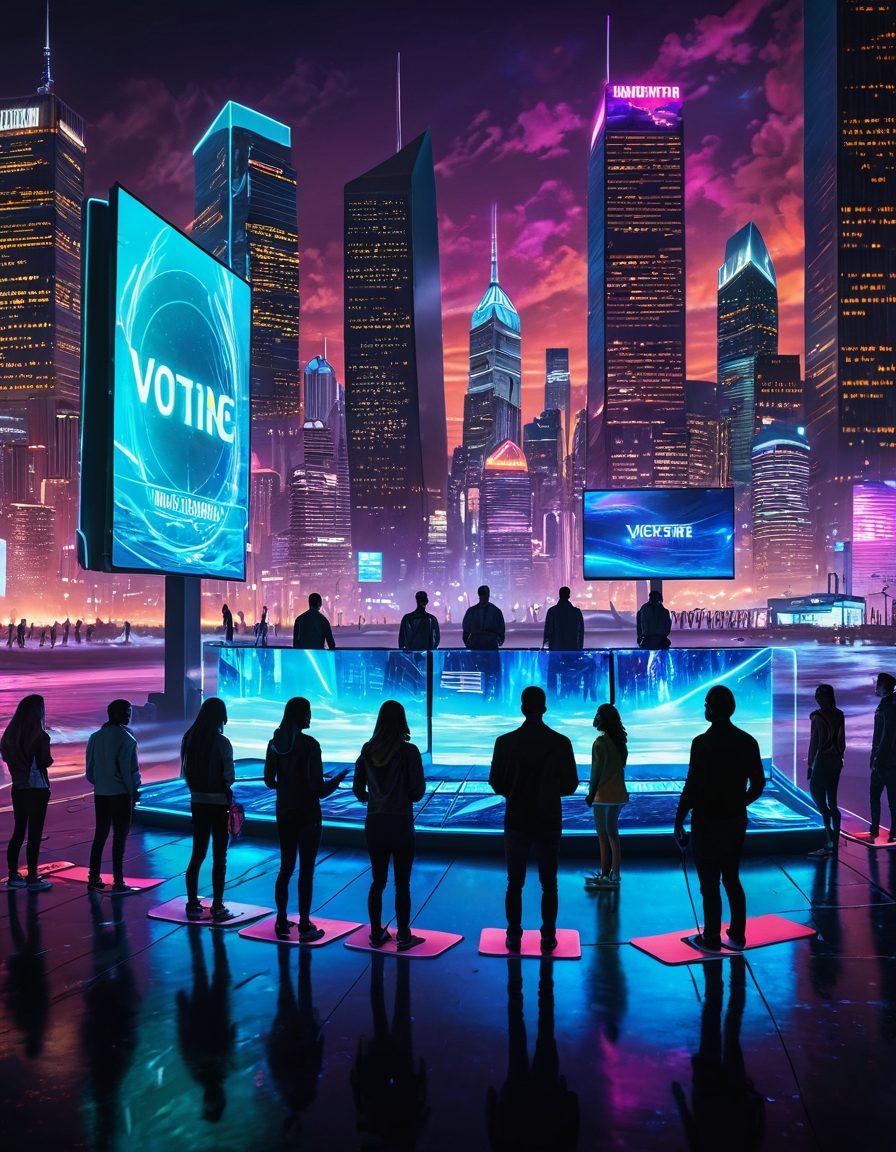
The sun is shining bright, and we’re all looking for the next big wave to ride. Just as beachgoers gear up in stylish swimwear and trendy beachwear, the world of voting is undergoing a transformation that is equally exciting. With each passing year, the concept of online elections and digital democracy is making waves, reshaping how we think about voter participation and citizen engagement. Picture this: a world where the cumbersome lines at polling stations are replaced by the simple click of a button, where you can cast your vote from the comfort of your home, all while lounging in your favorite two-piece swimwear. It sounds dreamy, right?
The idea of virtual voting isn’t merely a whimsical notion; it's quickly becoming a reality. Imagine a seamless electronic ballot experience, where your vote is securely cast without the hassle of driving to a polling place. How do you feel about the prospect of participating in online polls while you’re on a beach holiday, wearing your favorite bathing suit? It’s about convenience and accessibility, ensuring that everyone can participate in the electoral system, regardless of their location. By embracing internet voting, we open the doors to a world where everyone’s opinion can be heard, no matter the circumstances.
But what lies at the heart of this digital revolution? E-democracy challenges the status quo, allowing people to engage with their government like never before. With remote voting options, the barriers imposed by traditional voting methods are vanishing. Imagine being able to vote from your laptop while sipping a refreshing drink under the sun – is that liberation or what? The importance of e-ballots, or electronic ballots, cannot be overstated as they not only simplify the voting procedure but also enhance transparency and trust in the electoral system. Are we ready to trade our paper ballots for virtual votes?
One of the most compelling aspects of this evolution is the potential for increased voter participation. Online election platforms make it easier for people to voice their opinions, especially for those who may have previously felt sidelined by in-person voting. The statistics are telling: as electronic voting becomes more prevalent, we are witnessing a surge in voter turnout, as more citizens feel empowered to take part in the decision-making process. Imagine a future where a significant portion of eligible voters engages in the electoral system, fostering a greater sense of community and shared responsibility. How can we ensure that everyone takes advantage of these opportunities?
As we ride this digital wave together, it’s crucial to consider the next steps in adopting this technology. What do we need to do to make virtual voting a secure and trustworthy option for all? Stakeholders must prioritize building robust voting platforms that address concerns around privacy and security to maintain the integrity of the process. As we start seeing more countries embracing online voting, let’s be inspired by this change and commit to participating actively in shaping our democracy. Let's celebrate this new wave in voting as we all don our metaphorical swimwear to dive into the adventure of e-democracy!
From Ballots to Bytes: The Rise of E-Democracy in Modern Elections
In an era where nearly everything is just a click away, it’s no wonder that our electoral systems are evolving to embrace digital technologies. The concept of e-democracy – that is, governance facilitated by the internet – is paving new paths for citizen engagement and voter participation. Imagine lounging on the beach in your favorite swimwear while effortlessly casting your vote from your smartphone. This is no longer just a fantasy; it is becoming a reality through online voting.
The rise of e-democracy is essentially transforming elections into digital events, reminiscent of how our perceptions of items like beachwear have shifted from traditional styles to more contemporary designs. Just as the two-piece swimwear has come to symbolize a change in fashion and comfort, the digital election symbolizes a transformative step in how we interact with our electoral system. It’s an unprecedented leap toward making voting more accessible and convenient for every citizen, irrespective of their location.
Picture a day when instead of crowded polling places and long ballots, you have the freedom to participate in online polls from the comfort of your home. Through secure online platforms specifically designed for vote casting, providing an electronic ballot has never been easier. The convenience of remote voting could significantly boost voter turnout, especially among younger demographics who are digital natives. Are we ready for such a change? Or does a virtual voting experience undermine the essence of election day rituals?
The implications of these changes are monumental. As we shift from the tactile experience of filling out a paper ballot to the clicks of an electronic ballot, we must also consider how this affects our relationship with democracy. With voting being a cornerstone of democratic engagement, ensuring that citizens feel empowered to participate in the electoral process is crucial. Have we truly mastered the art of e-democracy, or is there still more to uncover about voter security and trust in digital elections?
In conclusion, the journey from ballots to bytes signals a new era in democracy. Embracing online election systems is not just about convenience; it’s an opportunity for broader participation and engagement. The world is rapidly changing, and as we adapt our electoral processes, the harmony between tradition and innovation will shape the way we view democracy. Whether you're in a bathing suit or business casual, the key to a healthy democracy is ensuring that every voice is heard, and every vote counts, so let's make waves in this new e-democracy age!